
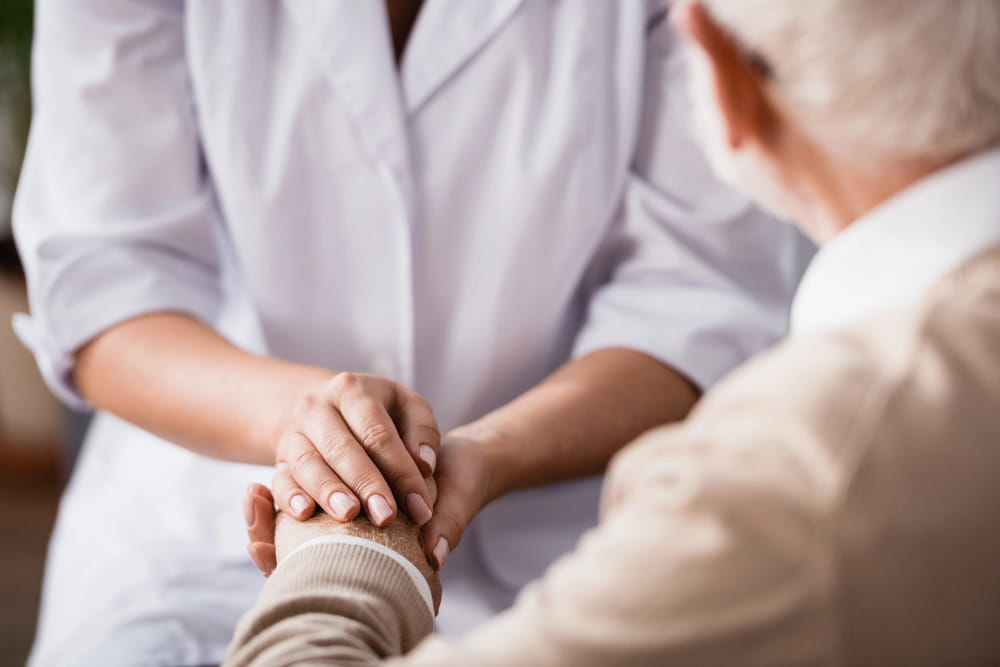
Hospice care is built on a team approach. Nurses, physicians, social workers, chaplains, and aides all play defined roles in delivering quality comfort care to patients and their families. But there's another member of that team who often goes unrecognized: the volunteer. Hospice volunteers contribute in ways that paid staff simply can't replicate, and understanding what they do helps families know what kind of support is actually available to them.
Jefferson City elderly hospice services through Headwaters Hospice and Palliative Care include a volunteer program designed to extend compassionate end-of-life care beyond what the clinical team alone can provide.
The Foundation of Hospice Volunteering
Under federal guidelines, Medicare-certified hospice programs are required to use volunteers for a meaningful percentage of their total patient care hours. That requirement exists because volunteers bring something genuinely different to the hospice environment. They're not there to complete a clinical task or document a chart entry. They're there to be present. To sit with someone. To listen. To offer companionship without an agenda.
That kind of presence matters enormously to patients and to the families supporting them.
Direct Patient Support
Volunteers who work directly with patients provide a range of supportive services depending on the patient's needs and wishes. Common roles include:
- Sitting with patients to provide companionship and conversation
- Reading aloud, playing music, or engaging in quiet activities the patient enjoys
- Providing respite for family caregivers who need a break
- Running errands or assisting with light tasks that support the care environment
- Offering a calm, consistent presence for patients who spend time alone
It's worth being clear about what direct patient support is and isn't. Hospice volunteers don't perform medical or personal care tasks. That work belongs to the clinical and aide team. What volunteers provide is human connection, and in a hospice setting, that's not a small thing.
Supporting Families in Hospice
Family members carrying the weight of a loved one's end-of-life journey often need support too. Volunteers can sit with a patient while a spouse gets a few hours of sleep. They can be a steady, non-clinical presence in a room that's otherwise filled with medical equipment and difficult decisions.
Support for families in hospice extends beyond the patient's death as well. Many hospice volunteer programs include bereavement support, reaching out to families in the weeks and months after a loss to check in and offer connection.
Where Volunteers Work
Hospice volunteers serve patients across a range of care settings. Headwaters Hospice provides in-home hospice services, but the team also works alongside patients receiving care in nursing homes, assisted living facilities, and senior living centers throughout the region.
Volunteers may visit patients receiving:
- Hospice care in assisted living facilities
- Hospice care in nursing homes
- Hospice care in senior living centers
- Hospice care in nursing facilities
- Hospice services for assisted living residents
- Hospice care with home health support
Wherever a patient calls home during this stage of life, a hospice volunteer can be part of the care they receive there.
Hospice Care for Veterans
Headwaters Hospice and Palliative Care is veteran-owned, and hospice care for veterans carries particular meaning within the organization. Volunteers who work with veteran patients are often trained to understand the unique experiences and needs of those who served, offering a presence that honors that service during a deeply personal time.
Why Volunteers Matter
There's a reason the hospice model has always included volunteers at its core. Clinical care addresses what the body needs. Volunteer support addresses something harder to measure but just as real. Patients who have regular companionship, who feel seen and not just treated, often experience a meaningful difference in their comfort and quality of life during this stage.
For families considering Jefferson City elderly hospice services, knowing that volunteer support is part of the program means knowing that compassionate end-of-life care extends beyond medical appointments and medication management. It's woven into the fabric of how Headwaters Hospice approaches every patient.
To learn more about how Headwaters Hospice and Palliative Care supports patients and families throughout the Jefferson City area, reach out to the team directly and ask about the full range of services available.


