
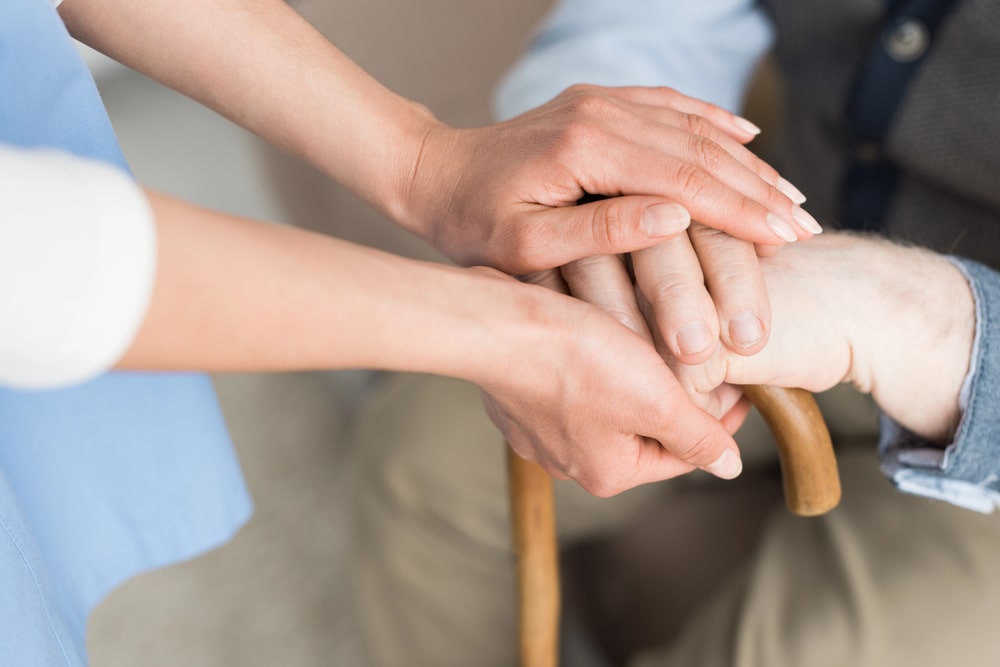
Volunteering with a hospice organization isn't for everyone. It requires a willingness to show up in spaces that most people avoid, to sit with discomfort, and to offer presence and connection during some of the hardest moments in a family's life. But for the people who do it, hospice volunteering tends to be among the most meaningful things they've ever chosen to do.
If you've been thinking about volunteering with a quality hospice care program in the Anaconda area, here are ten reasons it might be exactly the right fit.
1. You Provide Something Clinical Care Can't
Nurses, physicians, and aides deliver essential medical and personal care. What they often can't provide, simply because of time and role, is extended companionship. A volunteer sitting with a patient for an afternoon, reading to them, listening to their stories, or just being a calm presence in the room, fills a gap that no clinical intervention can. That contribution is real and it matters.
2. You Give Family Caregivers a Genuine Break
Family members providing care to a loved one in hospice are often running on empty. They don't want to leave. They feel guilty stepping away even for a few hours. A volunteer's presence makes it possible for a spouse, child, or sibling to rest, run errands, or simply breathe without worry. That respite is a form of support for families in hospice that's hard to overstate.
3. You Become Part of a Care Team Built Around Compassion
Anaconda hospice care through Headwaters Hospice and Palliative Care is built on a team model where every person, clinical or not, contributes to the patient's comfort and dignity. Volunteers are genuinely part of that team. You're not a bystander. You're a meaningful piece of how compassionate end-of-life care gets delivered.
4. You Serve Patients Across Multiple Care Settings
Headwaters Hospice provides in-home hospice services, but volunteers also serve patients in a range of other environments. That includes hospice care in assisted living facilities, hospice care in nursing homes, hospice care in senior living centers, hospice care in nursing facilities, and hospice services for assisted living residents. Wherever a patient is receiving comfort care, volunteers can be part of what supports them there.
5. You Honor Veterans in a Meaningful Way
Headwaters Hospice and Palliative Care is veteran-owned. Hospice care for veterans holds particular significance within the organization, and volunteers who work with veteran patients have the opportunity to honor that service during a deeply personal time. For volunteers who are veterans themselves or who have family members who served, that connection carries real weight.
6. You Develop a Deeper Understanding of End-of-Life Care
Most people have very little exposure to how hospice actually works until a family member needs it. Volunteering changes that. You'll gain a much clearer understanding of what comfort care looks like in practice, how hospice care with home health support functions, and what families go through during this stage of life. That knowledge tends to reshape how volunteers think about their own lives and priorities.
7. You Build Relationships That Are Genuinely Meaningful
Hospice volunteering isn't transactional. The relationships that form between volunteers, patients, and families often become among the most significant connections a volunteer has ever experienced. Patients share stories, wisdom, and perspectives that don't come up in ordinary life. Families express gratitude in ways that stay with volunteers long after the work is done.
8. You Support Your Local Community in a Direct Way
Volunteering with a local hospice program means the impact is immediate and geographically close. You're supporting neighbors, former coworkers, and community members who are navigating something profound. Quality hospice care depends on community support, and volunteers are one of the most direct expressions of that support in action.
9. You Contribute to a Medicare-Required Program
Under federal guidelines, Medicare-certified hospice programs are required to use volunteers for a meaningful percentage of total patient care hours. That requirement reflects a recognition built into healthcare policy that volunteers provide something irreplaceable. When you volunteer, you're not filling a nice-to-have role. You're contributing to a program that hospice care depends on by design.
10. You'll Likely Find It Changes You
Ask most hospice volunteers why they keep coming back, and they'll tell you the work gives them something they didn't expect. Perspective. Gratitude. A sense of purpose that's hard to find elsewhere. Being present with someone during the final chapter of their life has a way of clarifying what matters. It's not easy work, but the people who do it rarely describe it as anything other than profoundly worthwhile.
Ready to Get Involved?
If you're considering volunteering with a hospice program in the Anaconda area, Headwaters Hospice and Palliative Care welcomes people who want to make a difference in the lives of patients and families receiving Anaconda hospice care. Reach out to the team to learn more about volunteer opportunities and what the program involves.


